4th of July, All American Uncle Svg File Review
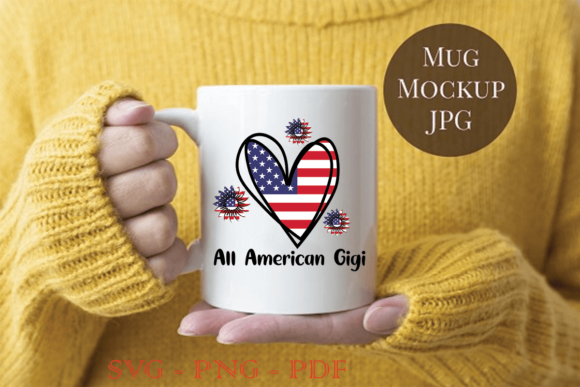
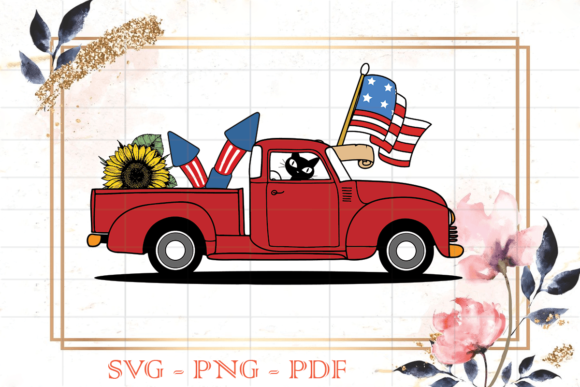
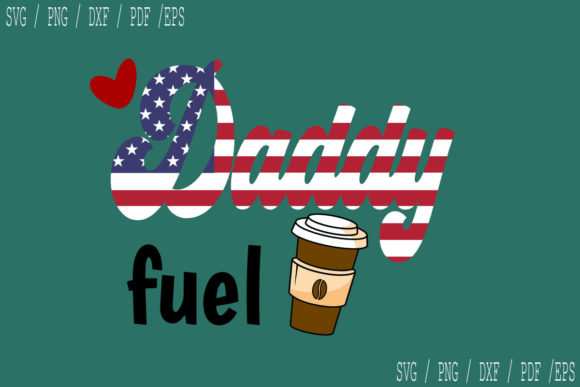
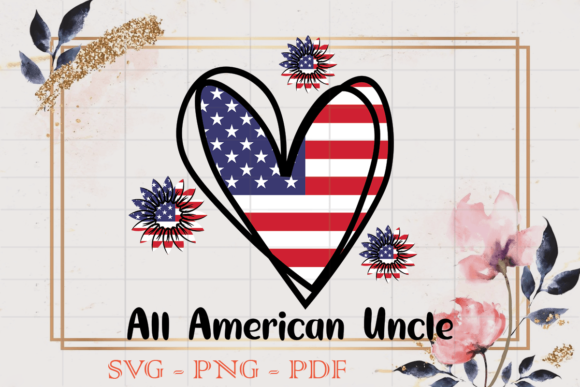
When I first opened the 4th of July, All American Uncle Svg File, my immediate thought wasn't about the file formats or the download speed. As someone who has stitched hundreds of designs for boutique clients and craft fairs, my eyes went straight to the layout and the mood. It screams "classic Americana" without trying too hard. The visual personality is bold yet approachable, making it a perfect candidate for that specific niche of patriotic merchandise that sells well every summer but often feels generic.
I decided to put this design through its paces with a real-world scenario: creating a custom embroidered tote bag for a local farmer's market booth. The goal was to produce a handmade product that felt personal enough for a gift but sturdy enough to be used daily by customers. This isn't just about slapping a logo on a bag; it is about how the design translates from a digital screen to a physical textile. Here is my practical judgment on how the 4th of July, All American Uncle Svg File performs in actual embroidery work.
First Impressions and Design Personality
The initial look of the design suggests a strong narrative. It isn't merely a flag; it carries a character-driven theme that resonates with family-oriented buyers. For an embroidery designer, the most critical aspect is the balance between detail and stitchability. Does the design rely on tiny, impossible-to-stitch lines? Or does it have the robust shapes necessary for a clean finish?
This particular embroidery file seems to lean into fill stitches and satin borders rather than delicate running stitches. That is a smart choice for commercial use. When you are producing items for a craft business or an Etsy seller shop, consistency is key. A design that requires excessive trimming or has loose threads will hurt your brand reputation. The All American Uncle concept allows for a variety of thread colors, which adds flexibility. You can go traditional with red, white, and blue, or get creative with navy and gold for a more upscale small shop product.
Real-World Application on Custom Apparel
I tested the concept of using this design on various surfaces to see where it truly shines. The machine embroidery design works exceptionally well on heavier fabrics like denim or canvas. Imagine a durable tote bag design made from 10oz cotton duck. The structure of the fabric supports the density of the stitching required for the text and graphics, preventing the puckering that often ruins a project.
However, the versatility extends beyond bags. I envision this as a standout piece for sweatshirt embroidery. The texture of fleece or heavy cotton blend absorbs the sheen of polyester threads beautifully, giving the finished product a soft, high-quality feel. For baby embroidery, such as on a onesie or a bib, the design might need slight scaling down, but the core elements remain clear. It creates a personalized gift that parents will cherish, especially during holiday seasons.
If you are looking to create holiday embroidery items like pillow covers or kitchen towels, this design fits the bill perfectly. The patriotic theme aligns naturally with Fourth of July gatherings. A tea towel featuring this motif would likely be a bestseller at a craft fair, provided the stitching is crisp. The design assets here offer enough visual weight to stand out against a plain background without overwhelming the garment.
Where Caution is Required
While the design is versatile, no single pattern fits every situation. There are specific areas where you must exercise caution when working with the 4th of July, All American Uncle Svg File. Small hoop sizes present a challenge. If the design includes intricate lettering or fine details, cramming it into a 4x4 hoop can result in crowded stitching that loses definition. Always check the recommended hoop size before starting.
Fabric texture plays a massive role in the final outcome. On stretchy fabrics like jersey knit, the tension of the machine can cause distortion unless you use the proper stabilizer. Similarly, thin fabrics may not support the weight of a dense fill stitch area, leading to tears or visible backing. Dark fabrics require careful consideration of thread colors; light-colored stitches might not pop unless you use underlay or specific thread types.
Curved surfaces, such as caps or hats, demand extra attention. While many modern machines handle curved stitching well, the design needs to be digitized specifically for that curvature. If the file is flat, it may not lay correctly on a rounded brim. Additionally, products that undergo frequent washing, like aprons or baby clothes, should be tested for durability. Dense stitch areas can sometimes trap lint or water if not properly balanced, so inspect the stitch density closely.
Impact on Visual Appeal and Brand Value
In the world of handmade goods, the difference between a mass-produced item and a professional creation lies in the details. A well-executed embroidery project builds customer trust. When a buyer sees that the All American Uncle design is stitched with precision, they assume the rest of the product is equally high quality. This perception directly influences buyer engagement and repeat sales.
The design also enhances the giftability of your items. A personalized gift with a clear, legible message conveys thoughtfulness. The Print Templates and Graphics included in the package allow you to create printable mockups for your online listings. Showing potential customers exactly how the design looks on a tote bag or sweatshirt helps them visualize the finished product, reducing hesitation and increasing conversion rates.
Furthermore, maintaining brand consistency is crucial for any commercial embroidery venture. Using a cohesive style across your collection ensures that your shop looks professional. If this design becomes part of a larger series of patriotic items, it sets a tone that is both festive and reliable. It signals to your audience that you understand the nuances of design assets and how to apply them effectively.
Practical Notes for the Designer
Before you commit to a full production run, there are several steps you must take to ensure success. First, always test the design on scrap fabric. This simple step reveals issues with thread tension, stabilizer selection, and color contrast that you might miss on a computer screen. Check the thread colors against your intended fabric; what looks good in RGB might appear dull in thread form.
Review the stitch density carefully. If the design is too dense, it may be stiff and uncomfortable. If it is too sparse, it might look unfinished. Confirm the hoop size requirements and ensure your machine can accommodate the dimensions. Inspect small details, especially any text, to ensure they are legible after stitching. Sometimes, letters that look fine on a monitor become illegible blobs once stitched.
Do not forget to test the design in black and white mockups to assess the contrast and shape integrity. Compare how it looks on both light and dark backgrounds to determine the best color palette. Use the proper stabilizer for your fabric type; a cut-away stabilizer is often best for permanent garments, while tear-away works for lighter projects.
Finally, confirm licensing terms. Ensure the file is cleared for both personal and commercial projects if you plan to sell the finished items. Verify whether you can resell the digital files themselves. Understanding these legalities protects your craft business and prevents future disputes. By following these guidelines, you can confidently use the 4th of July, All American Uncle Svg File to create stunning, market-ready products that honor the spirit of the holiday while delivering professional quality.