Brush Stroke Sublimation: A Designer's Review for Real Embroidery
As a designer who spends more time behind an embroidery machine than in front of a computer, I have learned to be skeptical of any product that promises too much. When I first encountered Brush Stroke Sublimation, my initial reaction was curiosity mixed with caution. The title suggests a digital asset, specifically a set of SVG and PNG clipart shapes designed for decoration, crafts, cards, and backgrounds. But can these graphic templates actually translate into a high-quality machine embroidery design? That is the question I needed to answer before recommending this to my own clients or using it in my handmade shop.
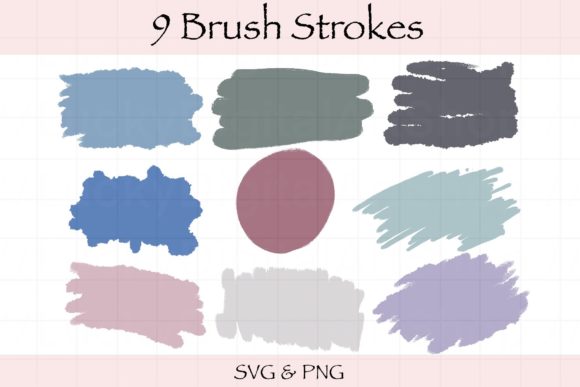
The mood created by Brush Stroke Sublimation is undeniably artistic and fluid. Unlike rigid geometric shapes or stiff block letters, these nine brush stroke shapes evoke movement, creativity, and a hand-painted aesthetic. For an embroidery project, this visual personality is crucial. It suggests a finished product that feels organic rather than mass-produced. If you are a small business owner or an Etsy seller looking to elevate your brand consistency, this type of design asset offers a way to add a touch of boutique flair to standard items like tote bags, aprons, or nursery decor.
However, translating a flat graphic into stitched thread requires practical judgment. Let me walk you through how I evaluated this design for a real-world scenario: creating a custom embroidered sweatshirt for a local art workshop. The goal was to use Brush Stroke Sublimation as a decorative accent alongside text, hoping to capture the "handmade" vibe that customers love.
From Digital File to Finished Product
When I imported the files from Brush Stroke Sublimation into my digitizing software, the first thing I noticed was the simplicity of the shape. This is both a blessing and a challenge. In the world of embroidery file conversion, complex gradients and soft edges often turn into jagged lines or messy stitches if not handled correctly. Fortunately, these brush strokes are defined by their outlines, which makes them excellent candidates for satin stitch applications.
For the sweatshirt project, I decided to treat the brush strokes as applique elements or heavy satin borders. The fluidity of the shape works beautifully on textured fabrics like fleece or heavy cotton blends found in sweatshirts. However, the same design might behave differently on a smooth, thin fabric. This is where the concept of stitch density becomes critical. Because the original description mentions these are for "card, background and any design," the vector paths are likely clean, but they need to be adapted for thread tension.
If you plan to use Brush Stroke Sublimation for commercial embroidery projects, such as creating patches or branded merchandise for a boutique, you must consider how the design holds up after washing. Satin stitches on curved, flowing shapes can sometimes pull or distort if the underlay isn't sufficient. My advice is to test the design on scrap fabric first. You want to ensure that the running stitch or fill stitch variations maintain their intended shape without puckering the material.
Where This Design Shines
I found that Brush Stroke Sublimation excels in specific categories of handmade products. It is particularly effective for baby embroidery projects. The soft, painterly look pairs perfectly with baby clothes, blankets, and nursery decor. Parents often look for designs that feel gentle and unique, and these brush strokes provide exactly that atmosphere. They avoid the harshness of some digital fonts while still offering a modern graphic appeal.
Similarly, for holiday gifts and personalized products, these shapes serve as excellent decorative accents. Imagine a set of kitchen towels featuring a single brush stroke from the pack, perhaps in a contrasting thread color. It adds a splash of color without overwhelming the fabric. For craft fair products, this versatility allows you to create cohesive collections. Whether you are making tote bag designs or cap embroidery, the ability to rotate and scale these shapes means you can customize the layout for every customer request.
The design also fits well into the workflow of digital product sellers. Even if you aren't selling physical goods, having access to design assets like Brush Stroke Sublimation helps in creating printable mockups. These mockups are essential for showcasing your services to potential buyers. A high-quality preview of how a brush stroke looks on a mockup sweatshirt can significantly increase buyer engagement and trust.
Pitfalls to Watch Out For
Despite its artistic merit, Brush Stroke Sublimation is not a one-size-fits-all solution. There are scenarios where this design should be used with extreme care. Small hoop sizes present a significant challenge. The curves of a brush stroke can become distorted if the area is too small to accommodate the necessary stabilizer and stitch count. If you attempt to stitch these onto a tiny patch or a detailed corner of a garment, the thread may crowd each other, resulting in a muddy appearance.
Texture is another factor. While these shapes look great on flat surfaces, they struggle on highly textured fabrics or stretchy materials like jersey knit unless proper stabilization techniques are employed. Dark fabrics also require careful consideration regarding thread colors. A light-colored brush stroke on a dark shirt might get lost unless you use a high-density fill or a contrasting outline. Furthermore, if you are working with layered garments or curved surfaces like caps, the distortion of the stitch pattern can ruin the illusion of a fluid brush stroke.
Another limitation lies in the level of detail. Since the product description lists these as "9 Brush Stroke shape for decoration," there is no mention of intricate internal detailing. This means they are best suited for bold, graphic statements rather than delicate, fine-line work. If your client expects a highly detailed, realistic painting effect, this design will fall short. It is a stylized representation, not a photorealistic one.
Practical Notes for the Embroidery Designer
To get the most out of Brush Stroke Sublimation, I recommend following a strict testing protocol. First, check the thread colors available in your spool rack against the intended design. Contrast is key to making the shape pop. Second, review the stitch density settings in your software. High density can cause fabric bunching, while low density might leave gaps in the satin stitch.
Always confirm whether the design works for both personal and commercial projects. Many digital creators sell graphics with specific licensing terms. Before selling finished items like embroidered patches or apparel, ensure you have the right to use the base design commercially. Also, inspect small details closely. Sometimes, when converting SVG to embroidery formats, tiny nodes can create unnecessary jumps in the thread path, leading to thread breaks.
Finally, don't forget to test the design in black and white mockups. This helps you visualize the contrast and balance without the distraction of color. Comparing light and dark fabric backgrounds during the testing phase will reveal if the design needs adjustment before you commit to a full production run.
In conclusion, Brush Stroke Sublimation is a versatile tool for the creative entrepreneur. It brings a sense of artistic freedom to structured embroidery work. Whether you are decorating a tote bag, designing a custom gift, or building a brand identity for a small shop, these graphic templates offer a strong foundation. Just remember that successful embroidery relies on the skill of the operator as much as the quality of the file. With the right preparation and attention to fabric and thread, Brush Stroke Sublimation can transform a simple project into a professional, standout piece.