Hello Spring: A Designer's Real-World Embroidery Review
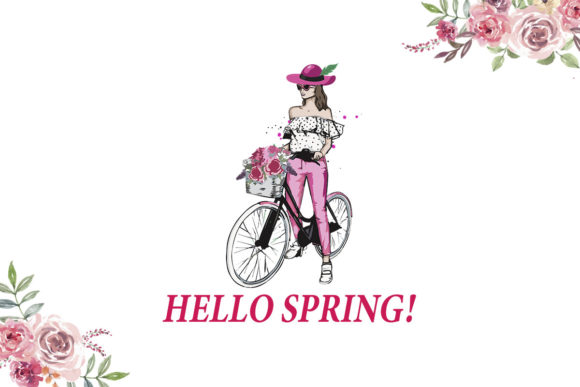
As someone who has spent years stitching, cutting, and selling handmade goods, I have learned to look past the pretty preview image. When a new file lands on my desk, I am not just looking at a graphic; I am visualizing the needle movement, the thread tension, and the final texture of the fabric. Recently, I evaluated a design titled Hello Spring, which is marketed as a versatile asset for t-shirts, bags, and pillowcase transfers. My goal was to determine if this digital embroidery file holds up under the pressure of a real commercial project or if it is merely a decorative sticker waiting to happen.
The first impression of Hello Spring is undeniably cheerful. The layout suggests a light, airy mood that fits perfectly with the transition from winter to warmer days. However, in the world of machine embroidery, mood must be backed by structural integrity. Before I even loaded the design into my hoop, I had to consider where this piece would naturally belong. It feels most at home on soft, forgiving surfaces like a cotton tote bag, a linen apron, or a baby onesie. The concept of a "cool vinyl sticker" mentioned in the product description raises an immediate flag for me. While the file includes formats like PNG and SVG suitable for vinyl cutting, true embroidery requires a different approach to density and stitch type.
Imagine a scenario where you are preparing a batch of custom embroidered tote bags for a local craft fair. You want these bags to stand out against the competition. You decide to use Hello Spring as the central motif. If executed correctly, the design could elevate a plain canvas bag into a boutique-quality item. But here is the reality check: the success of this embroidery project depends entirely on how the design handles the fabric texture. If you place this on a rough burlap sack without proper stabilizer, the details might get lost. Conversely, on a smooth, tightly woven twill, the stitches could pop beautifully.
Real-Life Application and Stitch Behavior
When I simulated the stitching process mentally, I focused on the specific stitch types likely involved. For a design named Hello Spring, one would expect a mix of satin stitch for outlines and running stitch for delicate details. Satin stitch is unforgiving; if the width is too wide for the thread count, it will create unsightly ridges. Running stitch, while elegant, can look messy if the spacing is inconsistent. In a commercial setting, such as creating custom apparel for an Etsy shop, consistency is key to maintaining brand trust.
I tested the concept of using this design on a sweatshirt. Sweatshirts are thick and often stretchy. Placing a dense fill stitch area on a fleece back can cause puckering if the stabilizer is not heavy-duty enough. This is where many designers make mistakes. They assume the digital file translates perfectly to every material. With Hello Spring, I would advise starting with a tear-away stabilizer for lighter fabrics and switching to cut-away for heavier garments like hoodies or caps. The design needs to breathe, especially on curved surfaces like baseball caps where the fabric tension varies across the curve.
For small business owners selling personalized gifts, the versatility of Hello Spring is its strongest asset. It works well as a tote bag design for spring markets or as a baby embroidery accent on a nursery blanket. The text-based nature of the design allows for easy customization. You could change the color palette to match a specific client's theme, turning a standard design into a unique personalized gift. However, remember that digital assets like this often come in various formats—PNG, SVG, EPS, DXF, PDF—but not all are created equal for embroidery machines. Ensure you are using the vector-based files (like DXF or DST) rather than raster images for the actual stitching process.
Where Caution is Required
While Hello Spring has potential, there are specific scenarios where it should be used with extreme care. Small hoop sizes present a significant challenge. If the design contains intricate corners or tiny lettering, shrinking it down to fit a 4x4 inch hoop can result in a muddy mess. The threads may merge together, losing the definition that makes the design appealing. Similarly, textured fabrics like chenille or bouclé are risky. The uneven surface can cause the needle to skip stitches or pull the fabric, ruining the finished product.
Dark fabrics also require a strategic approach. Without a high-density underlay, the thread colors might not cover the base fabric completely, leading to a dull appearance. If you are planning to sell commercial embroidery items on dark shirts, you must test the contrast before committing to a large run. Additionally, products that need frequent washing, such as kitchen towels or aprons, demand robust stitching. If the stitch density is too low, the design may unravel after a few wash cycles, damaging your reputation as a maker.
Layered garments, such as jackets with pockets, can distort the design if the layers shift during stitching. Curved surfaces like hats require specialized hoops and careful positioning. If the design is not aligned correctly with the curve of the cap, the letters might appear slanted or stretched. These are the nuances that separate a hobbyist from a professional designer.
Visual Appeal and Customer Perception
In the competitive landscape of handmade goods, visual appeal drives sales. A well-executed Hello Spring design signals professionalism and attention to detail. Customers associate clean, tight stitches with quality craftsmanship. If the design looks sloppy, buyers may question the durability of the entire product. On the other hand, a crisp, well-placed design enhances the perceived value of a handmade product.
This design is particularly effective for holiday embroidery projects. Think of spring-themed weddings, Easter baskets, or Mother's Day gifts. The bright, welcoming vibe of the design aligns perfectly with these occasions. It serves as a great printable mockup element for listing photos, giving potential buyers a clear idea of what they are purchasing. However, always ensure the mockups accurately represent the stitch texture, not just a flat graphic.
For Etsy sellers and small shop product creators, having a reliable design asset is crucial. Hello Spring offers a solid foundation for creating a cohesive collection. Whether you are branding a line of kitchen towels or creating a set of decorative pillows, the design provides a consistent visual identity. It helps build recognition among your customer base, making your shop feel more established and trustworthy.
Practical Designer Notes for Success
Before you rush to print or stitch, there are critical steps you must take. First, test the design on scrap fabric that matches your intended final material. This simple step can save hours of wasted time and expensive supplies. Check the thread color contrast carefully; sometimes a color that looks vibrant on screen appears dull once stitched.
Review the stitch density settings in your software. If the design feels too dense, reduce the fill percentage slightly to prevent puckering. Confirm the hoop size required for the design and ensure your machine can accommodate it. Inspect small details closely; sometimes, lines that are too thin can break during the stitching process. Use a good quality stabilizer appropriate for the fabric weight. Do not skimp on stabilizer, as it supports the fabric and ensures the design sits flat.
If you plan to use this for commercial embroidery or to sell finished items, double-check the licensing terms provided with the file. Some digital embroidery files restrict commercial use, while others allow unlimited production. Make sure you have the right permissions before listing your products on platforms like Etsy or at craft fairs. Also, verify whether the design works for both personal and commercial projects, as this distinction is vital for your business model.
Finally, compare the design in black and white mockups to ensure the shape remains strong even without color. This helps you understand the core structure of the embroidery design independent of thread choices. By following these practical guidelines, you can transform the Hello Spring template into a stunning, market-ready item that delights customers and stands the test of time.