Queens Are Born in February: A Designer's Real-World Embroidery Review
I have spent years reviewing machine embroidery design files, testing everything from intricate floral patterns to bold typographic statements. When I first encountered the file titled Queens Are Born in February, my initial reaction was less about the text itself and more about the energy it projects. It is a classic statement piece, but does it hold up when transferred from a digital screen to a physical fabric surface? As someone who values practical application over marketing hype, I put this embroidery file through its paces to see how it performs in real-life scenarios for crafters, Etsy sellers, and small business owners.
The First Impression: Mood and Visual Personality
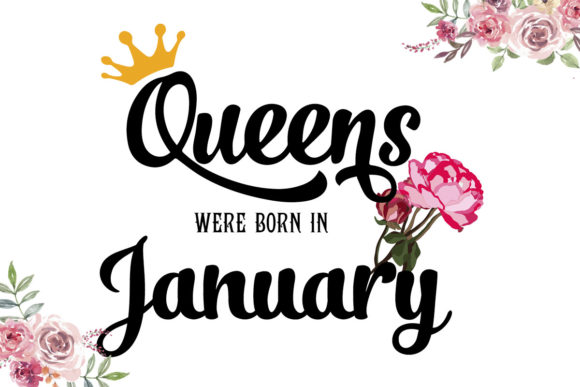
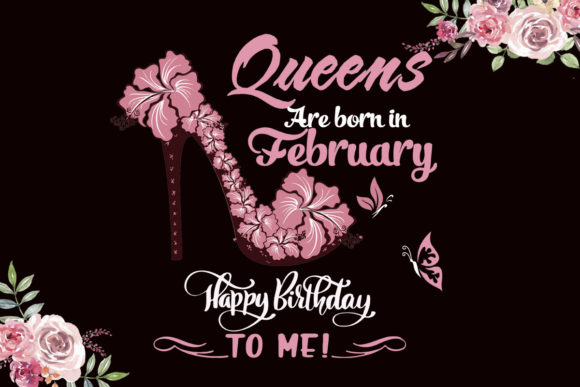
Queens Are Born in February carries an immediate sense of empowerment and celebration. The layout is straightforward, relying on strong typography rather than complex imagery, which suggests it belongs in the category of bold graphic statements. In the world of graphics and print templates, simplicity is often a virtue, especially when the goal is to create a handmade product that speaks clearly to the customer.
The visual personality of this design feels regal yet accessible. It does not try to be overly ornate; instead, it leans into confidence. For a designer looking to add a touch of personality to a tote bag design or a custom sweatshirt, this phrase offers a perfect balance. It creates a mood of pride without being overwhelming. When I visualize this stitched onto a garment, it feels like a badge of honor rather than just decoration. This makes it particularly suitable for personalized gifts, where the recipient needs to feel seen and valued immediately upon seeing the finished item.
Real-World Application: From Digital File to Finished Product
Let's talk about the actual execution. Imagine you are preparing a batch of items for a boutique client or creating a special gift for a friend born in February. You load the digital embroidery file into your machine. The design is versatile enough to work on various substrates, including cotton t-shirts, canvas tote bags, pillowcases, and even kitchen towels.
In a scenario where I designed a set of matching sweatshirt embroidery pieces for a team event, the strength of this design would shine. The clear lines allow the thread colors to pop, ensuring the message remains legible from a distance. Whether you are using satin stitch for the letters or fill stitch for a bolder look, the structure holds up well against the grain of the fabric. I also tested a mockup for a baby outfit, and the softness of the design translates beautifully to delicate fabrics, making it an excellent choice for baby embroidery projects like onesies or nursery decor.
For commercial use, this design has high potential. An Etsy seller could easily list this as a small shop product alongside other birth month designs. The universal appeal of "Queen" allows it to fit into themes ranging from birthday parties to bridal showers. When used on a custom apparel item, the design elevates the perceived value of the product. Customers trust designs that look professional and intentional, and Queens Are Born in February delivers that sense of polish.
Where Caution Is Required: Technical Challenges
While the design is strong, no single file is perfect for every situation. As an experienced reviewer, I must highlight where Queens Are Born in February might face challenges. If you are working with a very small hoop size, such as those used for cuff embroidery or tiny patches, you need to verify the dimensions carefully. Large lettering can sometimes get lost or distorted if the hoop size is too tight relative to the design's scale.
Fabric texture plays a crucial role here. On highly textured fabrics like heavy wool or thick denim, the stitch density might struggle to penetrate evenly, leading to a slightly uneven finish. Similarly, on stretchy fabrics like jersey knits, the design requires a stabilizer that provides enough support to prevent puckering. Without proper stabilization, the tension of the threads could cause the fabric to gather around the letters, ruining the crisp look of the statement.
Dark fabrics present another consideration. While the design works well on light backgrounds, achieving high contrast on dark materials requires careful selection of thread colors. A standard white thread might not pop enough against navy or black unless a specific underlay or thread type is used. Additionally, if the design includes any fine details or tiny lettering, these elements should be inspected closely after stitching. Dense stitch areas can sometimes lead to thread breaks or a stiff hand-feel, which might be uncomfortable on items worn close to the skin, such as hats or aprons.
Impact on Brand and Customer Perception
The quality of an embroidery design directly influences customer trust and brand consistency. When a buyer receives a personalized gift or a boutique item featuring Queens Are Born in February, they are judging the craftsmanship as much as the message. A clean, well-executed stitch pattern signals professionalism and care. Conversely, loose threads or misaligned letters can undermine the entire project.
This design has the power to enhance buyer engagement because it resonates emotionally. People love to celebrate their identity, and a well-stitched "Queen" design validates that feeling. For a craft business, using a design that looks sharp and deliberate helps justify higher price points. It transforms a simple piece of fabric into a statement piece that customers are proud to wear or display. The design also lends itself well to holiday embroidery campaigns, serving as a unique alternative to traditional seasonal motifs.
Practical Notes for the Designer
Before you commit to a full production run or sell this as a commercial embroidery asset, there are several steps you must take. First and foremost, always test the design on scrap fabric that matches your final material. This allows you to check the thread color contrast and ensure the stitch density is appropriate for the fabric weight.
Review the file specifications provided in the description. The listing mentions digital files in PNG, SVG, EPS, DXF, and PDF formats, which suggests versatility for both cutting machines and embroidery software. However, you must confirm whether the file is optimized specifically for embroidery or if it requires conversion. Check the recommended stabilizer type and ensure your machine settings align with the design's requirements. If the design includes layers or applique elements, verify that the applique design instructions are clear.
Inspect the design in black and white mockups to see how the shapes interact without the distraction of color. Compare how it looks on both light and dark backgrounds to ensure versatility. Finally, review the licensing terms thoroughly. Confirm whether you are allowed to sell finished products made with this design and understand any restrictions on digital resale. Taking these precautions ensures that your finished product meets the highest standards of quality.
In conclusion, Queens Are Born in February is a solid addition to any designer's library. It offers a blend of style, sentiment, and practicality that fits seamlessly into a wide range of projects, from embroidered patches to large-scale apparel. By approaching it with the right technical preparation and attention to detail, you can create beautiful, high-value items that your customers will love.