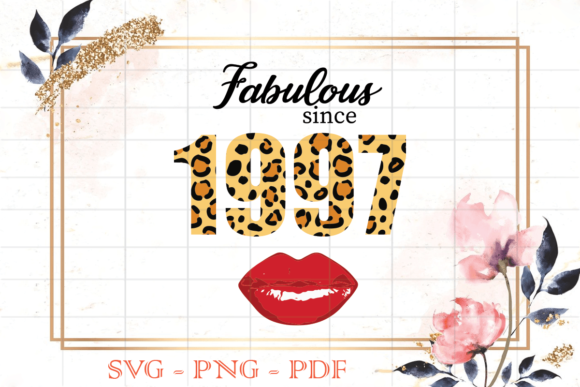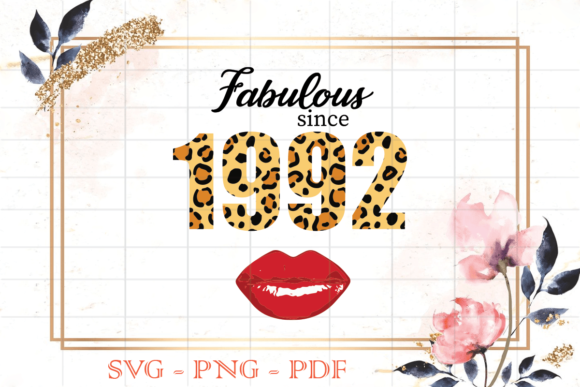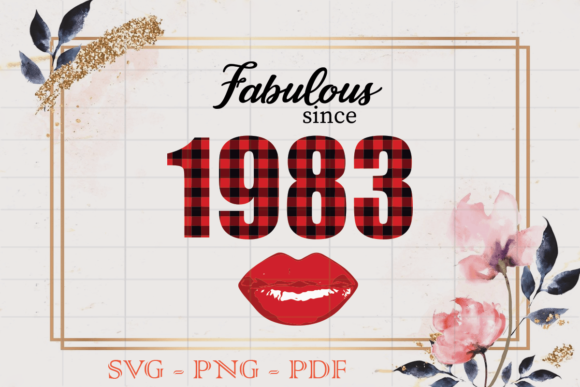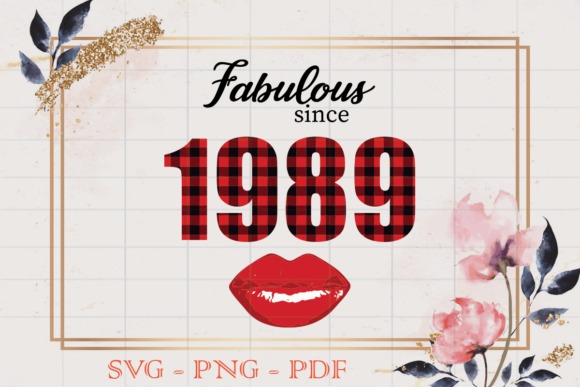
Fabulous Since 1994 Leopard Print SVG Review
As someone who has spent years stitching, designing, and reviewing embroidery files for both personal hobbies and commercial ventures, I know that the difference between a good design and a great one often comes down to how it translates from a screen to fabric. Today, I am putting Fabulous Since 1994 Leopard Print SVG through its paces to see if it truly holds up in a real-world project environment. This isn't just about looking at a pretty image; it is about understanding the practical application of this machine embroidery design when you are preparing custom apparel, creating handmade products for an Etsy shop, or crafting a personalized gift.
The First Impression: A Bold Statement Piece
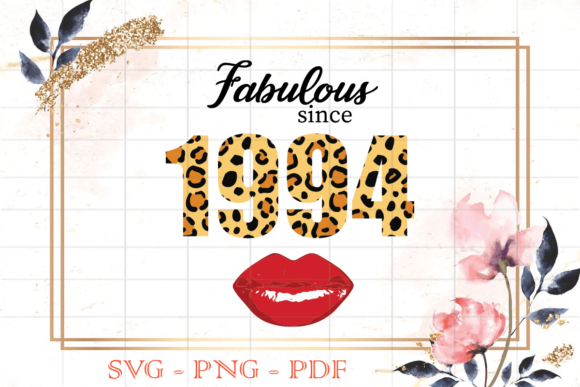
When you first load the file into your digitizing software or viewing platform, the immediate mood of Fabulous Since 1994 Leopard Print SVG strikes with confidence. The combination of the retro "Fabulous Since" typography paired with the classic leopard print pattern creates a vibe that is simultaneously nostalgic and trendy. It feels like a design meant for someone who owns their style. For a designer looking to add personality to a collection, this graphic offers a distinct visual personality that stands out without needing complex color gradients or intricate shading.
In the context of Print Templates and Graphics, this file offers versatility. While the product description mentions vinyl stickers and iron-on transfers, the true potential for an embroidery enthusiast lies in how these shapes translate to thread. The layout suggests a design that works best as a focal point on a garment or accessory. Whether you are aiming for a boutique branding look or a fun craft fair item, the theme naturally belongs on items that celebrate individuality, such as tote bags, sweatshirts, or nursery decor.
Real-World Application: From Screen to Stitch
Let's imagine a specific scenario. You are preparing for a holiday season rush and need to create a line of custom embroidered tote bags for local boutiques. You decide to use Fabulous Since 1994 Leopard Print SVG as the centerpiece. The challenge here is translating the flat digital vector into a tactile stitched piece that customers will trust and love.
In this embroidery project, the leopard print elements would likely be executed using fill stitches to capture the texture of the animal print, while the text would utilize a bold satin stitch or a clean running stitch depending on the font weight available in your library. On a canvas tote bag, this design would pop beautifully against neutral backgrounds. The contrast of the leopard spots against the sturdy fabric gives the finished product a high-end feel, elevating what could have been a simple bag into a statement piece. Customers browsing an online store would immediately recognize the quality of the handmade product because the design choice signals attention to detail and trend awareness.
Similarly, for small business owners selling custom apparel, this design fits perfectly on sweatshirts or baby onesies. Imagine a "Fabulous Since 1994" patch sewn onto the chest of a cozy hoodie, or a subtle leopard motif near the hem of a baby's sleeper. The retro aesthetic resonates well with millennial and Gen Z buyers who appreciate vintage-inspired graphics. When used in commercial embroidery for merchandise like aprons or kitchen towels, the design adds a touch of whimsy that makes the item feel special rather than mass-produced.
Where Caution Is Required: Technical Considerations
However, every experienced designer knows that not every file works on every surface. There are specific situations where Fabulous Since 1994 Leopard Print SVG requires careful planning. If you are working with small hoop sizes, the density of the leopard print details might become cluttered. Tiny corners of the print or fine lines in the lettering can sometimes get lost or merge together if the stitch count is too high for the available space.
Textured fabrics present another hurdle. While a smooth cotton blend is ideal for this design, highly textured materials like heavy boucle or rough linen might cause the needle to skip or the design to look uneven. Thin or stretchy fabrics, such as lightweight jersey knits, require extra stabilization to prevent puckering, especially around the dense areas of the fill stitches. If you attempt to stitch this on dark fabric, you must ensure your thread colors provide enough contrast; otherwise, the leopard print may disappear into the background.
Curved surfaces like caps also demand a strategic approach. The geometry of the design needs to be evaluated to ensure it lays flat on the curve of a hat brim or crown. Dense stitch areas can sometimes lift off the fabric if not properly anchored with the right type of stabilizer. Additionally, for products that will undergo frequent washing, such as dish towels or work aprons, you should verify that the stitch density is sufficient to withstand friction without fraying over time.
Impact on Visual Appeal and Brand Value
The decision to use this design affects more than just the look of the item; it influences customer trust and brand consistency. A well-executed embroidery file communicates professionalism. When a buyer sees crisp satin stitches and clear lettering on a personalized gift, they perceive higher value in the item. Conversely, if the design is poorly digitized or the wrong thread colors are chosen, it can undermine the perceived quality of the entire craft business.
Fabulous Since 1994 Leopard Print SVG has the potential to enhance buyer engagement by offering a unique aesthetic that differentiates your shop from competitors using generic clipart. In Etsy listings or printable mockups, showcasing this design on various products helps visualize the final result, making it easier for customers to make a purchase. However, it is crucial to ensure that the design assets align with your overall brand identity. If your shop focuses on minimalism, this bold graphic might need to be scaled down or simplified to fit the narrative.
Practical Designer Notes for Success
Before you commit to running this file on a production batch, there are several steps you should take to ensure success. First and foremost, always test the design on scrap fabric that matches your intended material. This allows you to check thread color contrast and review stitch density without risking your final product. Inspect small details closely under bright light to ensure no gaps or clumping occurs.
If you are unsure about the technical specifications provided in the product description, such as exact stitch counts or machine compatibility, do not guess. Reach out to the creator or check the documentation thoroughly. Confirm whether the license terms allow for commercial use if you plan to sell finished items made with this design. Compare light and dark fabric backgrounds to see which offers the best visual impact. Use proper stabilizer for the specific fabric weight you are using to maintain the integrity of the finished product.
Finally, consider the longevity of the design. Will it still look good after five washes? Does it work for both personal projects and commercial sales? By treating Fabulous Since 1994 Leopard Print SVG as a professional tool rather than just a digital asset, you can maximize its potential in your embroidery project workflow. Whether you are a hobbyist looking to make a unique gift or a seasoned small shop product seller expanding your catalog, thoughtful preparation is the key to a stunning result.