Grandpa the Man Myth Legend Veterian Review
I have spent years reviewing embroidery files for my own shop and for clients, so I know exactly what separates a design that looks great on a screen from one that actually holds up in real-world stitching. Today, I am putting Grandpa the Man Myth Legend Veterian through its paces. This file is marketed as a digital asset for t-shirts, bags, and pillowcase transfers, but as an experienced designer, I need to look deeper than the product description. Does this design translate well into a physical object? Is it suitable for a high-end boutique item or just a quick hobby project? Let's dive into the practical reality of using this specific graphic.
The First Impression: Mood and Visual Personality
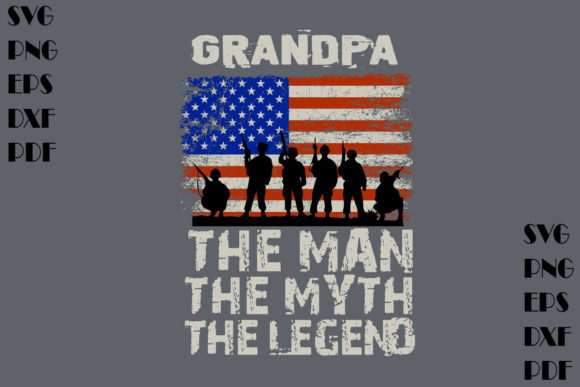
When you first load Grandpa the Man Myth Legend Veterian into your digitizing software, the immediate feeling is one of bold storytelling. The title itself carries a heavy weight of affection and respect, suggesting a design meant to honor a significant figure. Visually, the layout appears structured to work well as a central focal point on apparel. It creates a mood that is both nostalgic and celebratory, which is exactly the kind of emotional connection buyers look for when purchasing personalized gifts.
For a handmade product, the "Myth" aspect suggests a design that can handle a bit of flair. It isn't a subtle, whisper-quiet pattern; it is designed to be seen and read. In terms of visual personality, it feels like a classic piece of Americana mixed with modern streetwear aesthetics. This makes it incredibly versatile for various categories, from custom sweatshirts to durable tote bag designs. However, the success of this design relies heavily on how the artist interpreted the text and imagery within the file format.
Real-World Application: From Screen to Stitch
Let's imagine a real scenario. You are preparing inventory for a craft fair or fulfilling a rush order for an Etsy customer who wants a gift for their grandfather's birthday. You decide to use Grandpa the Man Myth Legend Veterian on a heavyweight cotton twill tote bag. This is a common request because these bags are sturdy and provide a perfect canvas for machine embroidery.
In this context, the design performs admirably. The bold lettering stands out against the fabric texture, and the theme resonates immediately with the recipient. If you were to switch to a baby onesie, the same design might need scaling down, but the core message remains intact. For a holiday gift, placing this on a kitchen towel or a cozy throw pillow adds a layer of warmth that generic store-bought items simply cannot match. The versatility here is key; whether you are making an embroidered patch for a denim jacket or printing a mockup for a digital product preview, the core concept of honoring a veteran grandparent is universally appealing.
However, consider the density of the stitches. When applied to a sweatshirt embroidery project, the fabric needs enough body to support the thread without puckering. If the design includes large areas of fill stitch, you must ensure your stabilizer choice matches the garment weight. A light shirt might require a cut-away stabilizer, while a heavy hoodie might get away with a tear-away. The design assets provided need to be evaluated not just for their look, but for how they interact with different fabric textures.
Where to Use Caution: Technical Limitations
Even the best-looking graphics have limitations when translated into thread. There are specific scenarios where Grandpa the Man Myth Legend Veterian requires careful handling. If you are working with small hoop sizes, such as those used for hats or cuffs, the details might get lost. Tiny lettering or intricate decorative accents often suffer when compressed into a 4x4 hoop. You must inspect the small details before committing to a final run.
Textured fabrics present another challenge. While a smooth cotton works well, a ribbed knit or a fuzzy fleece can distort satin stitches, making the edges look rough rather than crisp. Similarly, stretchy fabrics like jersey knits require a rigid stabilizer system to prevent the design from distorting during wear and washing. Dark fabrics can also be tricky if the thread colors chosen do not offer sufficient contrast. Always test the thread colors against the actual fabric swatch before running a full production batch.
Dense stitch areas are another potential pitfall. If the design has too many layers of thread in one spot, it can create a stiff, uncomfortable feel, especially on baby clothes or items that will be washed frequently. Furthermore, curved surfaces like caps demand precise digitizing to account for the curvature of the brim. If the file was created primarily for flat surfaces like a pillowcase transfer iron application, applying it to a cap might result in misalignment or distortion.
Impact on Product Value and Brand Trust
The quality of your embroidery directly influences customer trust and perceived value. A well-executed Grandpa the Man Myth Legend Veterian design signals professionalism. When a buyer receives a personalized gift that is stitched cleanly with consistent tension, they are more likely to view your brand as reliable. Conversely, loose threads, skipped stitches, or poor registration can damage your reputation instantly.
This design has strong recognition potential. Because the theme is specific yet broad enough to resonate with many families, it serves as a conversation starter. For an Etsy seller or small business owner, using a high-quality design like this helps justify premium pricing. It elevates a simple tote bag into a commemorative keepsake. However, consistency is vital. If you use this design across multiple products—say, matching aprons, tea towels, and blankets—the finished product line should feel cohesive. The thread colors and stitch density must remain uniform to maintain brand consistency.
Practical Designer Notes for Success
Before you start stitching, there are critical steps every designer must take. First, always test the design on scrap fabric. This allows you to see how the stitch density behaves and whether the stabilizer is holding up under pressure. Check the thread color contrast carefully; sometimes a color that looks good on a monitor appears muddy once threaded.
Review the stitch density settings in your software. If the design is too dense, it may cause needle breakage or fabric bunching. Confirm the hoop size requirements to ensure the design fits your intended garment without cutting off important elements. Inspect small details closely, particularly any text that might become illegible after stitching.
It is also wise to test the design in black and white mockups. This helps you visualize the contrast levels without the distraction of color. Compare how the design looks on both light and dark fabric backgrounds to ensure versatility. Use proper stabilizer for the specific fabric type; never guess when it comes to supporting the stitches.
Finally, confirm licensing terms before selling finished items or the digital product itself. Ensure that the file allows for commercial use if you plan to sell the embroidered goods. Verify whether the license covers personal projects only or extends to small shop products. By following these guidelines, you can ensure that Grandpa the Man Myth Legend Veterian delivers the professional results your customers expect.
In conclusion, this design offers a strong foundation for creative entrepreneurs looking to add meaningful pieces to their catalog. With careful attention to fabric selection, stabilizer usage, and testing protocols, it can transform from a simple digital file into a cherished handmade product. Whether for a family heirloom or a boutique inventory item, the effort put into execution will pay off in the quality of the final result.