Proud of America Happy Independence Day
When I first opened the folder for Proud of America Happy Independence Day, I didn't just see a graphic; I saw a potential bestseller for a small boutique owner or a meaningful centerpiece for a family heirloom project. As someone who has spent years testing digital assets on everything from delicate silk to heavy canvas, my initial reaction was one of cautious optimism. The title suggests a bold statement, and in the world of embroidery, bold statements can either look professional and polished or become a tangled mess if the design isn't structured correctly.
This piece falls under the Illustrations and Graphics categories, which often means it is vector-based and intended for versatile use. However, turning a flat graphic into a tactile machine embroidery design requires more than just hitting "send" on the machine. It demands an understanding of how thread interacts with fabric, how stitch density affects the final texture, and whether the visual personality of the file will hold up after a few washes. Let's dive into how this specific design performs when moved from the screen to the hoop.
The First Impression: Mood and Visual Personality
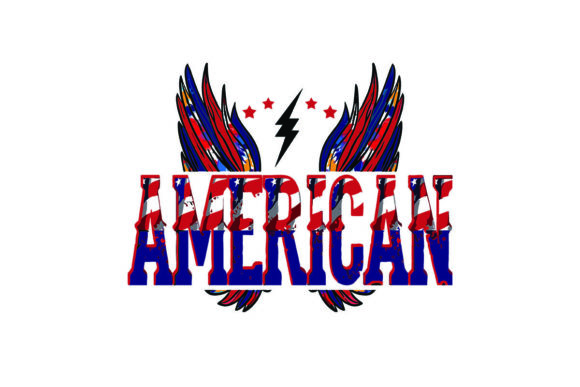
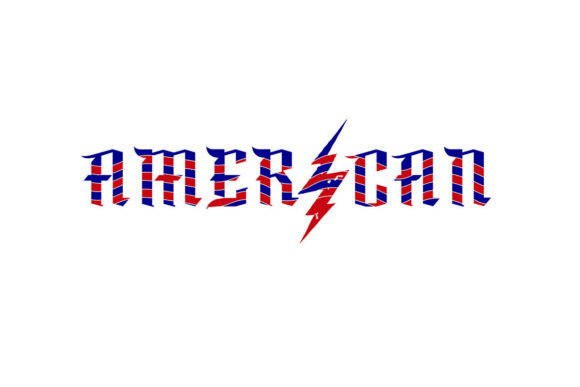
The moment you load Proud of America Happy Independence Day into your digitizing software, the layout speaks volumes. It carries a celebratory, patriotic weight that feels perfect for seasonal collections. Unlike generic clip art that often looks stiff or cartoonish, this design seems to aim for a balance between traditional symbolism and modern flair. The typography appears to be the hero here, likely designed to catch the eye immediately.
In terms of visual appeal, the design creates a mood of pride and community. For a craft business owner, this is gold. Customers don't just buy a product; they buy the feeling associated with it. When applied to a custom apparel item like a sweatshirt or a tote bag, this design signals that the wearer values their heritage. However, the success of that signal depends entirely on execution. If the lines are too thin or the details are too intricate, the design loses its impact. My assessment is that this file is best suited for projects where the message needs to be read clearly from a distance, such as a large patch on a denim jacket or a centered graphic on a pillowcase.
Real-World Application: From Screen to Stitch
Let's imagine a real scenario. You are an Etsy seller preparing inventory for July. You have a batch of high-quality cotton tote bags sitting in your studio, waiting for customization. You decide to use Proud of America Happy Independence Day to create a limited edition collection. The goal is to produce a handmade product that customers will feel proud to carry at a local farmer's market.
Here is how the design behaves in practice. When stitched onto a sturdy canvas bag, the satin stitch areas would provide a smooth, glossy finish that contrasts beautifully with the rough texture of the fabric. The fill stitches would add body and dimension, making the text pop off the surface. This combination elevates the perceived value of the item. A customer holding a plain bag versus one adorned with a dense, well-executed embroidery design sees a clear difference in quality. They trust that the item is durable and worth the price tag.
However, the versatility extends beyond bags. Consider using this design for baby embroidery on a onesie or a bib. The theme fits perfectly for a baby's first Fourth of July. Yet, this is where we must be careful. Baby clothes require softness. If the stitch density is too high, the back of the garment might become stiff and uncomfortable against sensitive skin. In this case, the design might need slight adjustments to ensure it remains gentle while still looking crisp.
For holiday embroidery projects like kitchen towels or aprons, the design shines. These items are less about comfort and more about display. A tote bag design featuring this motif could also serve as a great promotional tool for a small shop, acting as a walking billboard. The key is ensuring the color palette translates well. Red, white, and blue are classic choices, but selecting the right thread colors is crucial. A bright red thread on a dark navy background might vibrate visually, whereas a slightly softer crimson might offer better legibility depending on the lighting.
Where to Exercise Caution
Even the best designs have limitations. There are specific scenarios where Proud of America Happy Independence Day might struggle without pre-production testing. One major concern is the hoop size. If the design includes tiny lettering or intricate decorative accents, it may not render well in a small hoop. Small hoops often compress the fabric, causing fine details to blur together. If you attempt to stitch this on a cap or a hat, the curved surface adds another layer of complexity. Curved surfaces can distort straight lines, so a design that looks perfect on a flat sample might look warped on a rounded crown.
Fabric texture is another critical factor. While this design works wonders on stable fabrics like cotton twill or felt, it can be problematic on stretchy knits or very thin materials. Without proper stabilizer, the tension of the stitching could cause puckering, ruining the clean look of the text. Similarly, on dark fabrics, the thread contrast becomes paramount. If the design relies on light-colored threads for definition, they might get lost unless a backing layer is used effectively.
Another area to watch is the durability of the finished product. Items that undergo frequent washing, like work aprons or children's clothing, need robust construction. If the design features long, loose running stitches or very sparse fill areas, they are prone to snagging or unraveling over time. For commercial use, longevity is a selling point. A design that falls apart after three washes damages the reputation of the maker. Therefore, inspecting the digital embroidery file for dense stitch areas is essential before committing to a production run.
Practical Designer Notes for Success
Before you start stitching, there are several steps every professional should take. First and foremost, always test the design on scrap fabric. This simple step saves money and prevents wasted time. Use the same fabric and stabilizer combination you plan to use for the final product. Check the thread colors against the fabric in natural daylight to ensure the contrast is sufficient.
Review the stitch density carefully. High-density areas can lead to thread breakage or needle deflection, especially on older machines. Confirm that the hoop size accommodates the entire design without cutting off any edges. If the design includes text, inspect the small letters closely. Sometimes, what looks like a solid line on a screen breaks down into disconnected dots when embroidered. Testing in black and white mockups can help visualize the contrast and legibility before spending hours on the machine.
For those selling these items, consider the licensing terms. Ensure you have the rights to sell finished products made with Proud of America Happy Independence Day. Some digital assets are for personal use only, and violating these terms can lead to legal issues. Additionally, compare the design against competitors' listings. Does it stand out? Is it clearer? A well-executed embroidery project can differentiate a small shop from a mass-market retailer.
Finally, think about the presentation. A finished product with this design should be photographed professionally. The lighting should highlight the texture of the thread and the depth of the stitching. A good photo sells the story behind the item. Whether you are creating a personalized gift or a commercial embroidery asset, the attention to detail in the setup phase determines the success of the final result.
In conclusion, Proud of America Happy Independence Day offers a strong foundation for a variety of creative ventures. It captures the spirit of the holiday while offering enough visual interest to make a statement. By approaching it with a designer's eye—testing, adjusting, and respecting the material—you can transform a simple digital file into a cherished physical object. For the savvy crafter or entrepreneur, this design represents an opportunity to connect with customers through quality craftsmanship and patriotic pride.