The Best Day to Come: A Designer's Review
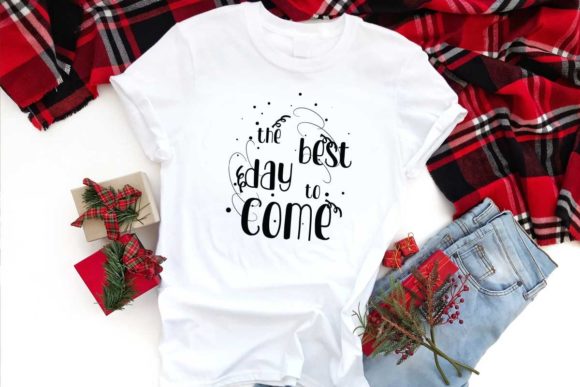
I have spent years stitching through thousands of digital files, testing them on everything from delicate baby rompers to heavy-duty work aprons. When I first opened the file for The Best Day to Come, my initial reaction was one of quiet optimism. In a market flooded with generic quotes and overly complex floral arrangements, this design felt like a breath of fresh air. It carries a specific mood—one of gentle anticipation and warmth—that translates surprisingly well into physical thread.
This isn't just another graphic slapped onto a t-shirt; it is a machine embroidery design that understands the language of texture. The layout feels balanced, avoiding the cluttered look that often plagues text-heavy designs. For anyone running a craft business or selling handmade goods on platforms like Etsy, the visual personality of this piece is its strongest asset. It speaks to customers who value sentimentality without being cheesy, making it a versatile choice for personalized gifts and boutique branding.
Real-World Application: From Screen to Stitch
Let me take you through a scenario where I tested this design before committing it to a final product. I was preparing a custom embroidered tote bag for a local holiday market. The goal was to create a gift item that felt practical yet special, something a buyer could use daily but would still appreciate aesthetically. I pulled up The Best Day to Come in my digitizing software and immediately began evaluating how the stitches would behave on canvas.
The design's structure suggests it performs exceptionally well as a tote bag design. The lettering is clear enough to be legible even when viewed from a distance, which is crucial for marketing materials or product displays. However, the real test lies in the execution. Unlike a simple vinyl sticker, embroidery adds dimension. I found that the spacing between letters allows the fabric to breathe, preventing the stiff, plastic-like feel that can ruin the drape of a soft cotton tote.
If you are an Etsy seller looking to expand your inventory, this file offers high potential. Imagine placing this on a cozy sweatshirt for a "cozy season" collection or stitching it onto a nursery pillowcase for a new parent gift. The phrase itself invites emotional connection, which drives engagement in handmade shops. It transforms a standard handmade product into a keepsake that buyers are eager to share on social media.
Technical Performance and Fabric Considerations
As an experienced reviewer, I must address where this design shines and where caution is required. The success of any embroidery project depends heavily on the interaction between the stitch density and the fabric texture.
- Best Suited Fabrics: This design works beautifully on stable, medium-weight fabrics. Think denim for caps, thick cotton for aprons, or smooth jersey for custom apparel. The clean lines of the text maintain their integrity on these surfaces, ensuring the finished product looks professional.
- Fabrics to Avoid: Be very careful with stretchy knits or thin, sheer materials. If you attempt to stitch this on a flimsy tea towel or a loose-weave linen without proper stabilization, you risk puckering. The design requires a firm base to hold its shape.
- Hoop Size Matters: Always check your hoop size relative to the design dimensions. If you try to force a large design into a small hoop, you will lose critical details. Conversely, a tiny design on a massive garment might get lost visually.
One specific area to watch is the thread colors. Because the design relies on contrast to pop, dark backgrounds require light threads, and vice versa. I recommend testing your color combinations on scrap fabric first. Sometimes, a color that looks perfect on your monitor appears muddy once stitched, especially if the stitch density is too high for the chosen thread weight.
Navigating Complex Surfaces
Not all projects are flat squares. Many designers love using The Best Day to Come on curved surfaces like baseball caps or beanies. While possible, this introduces challenges. Curved surfaces can distort the satin stitch if the machine tension isn't adjusted correctly. I advise using a specialized cap hoop and reducing the speed of your machine during these runs.
For embroidered patches intended for iron-on application, the stability of the backing is key. Ensure your stabilizer matches the stiffness required for the final item. If the patch needs to remain flexible for a child's backpack, avoid over-stabilizing, which can make the patch brittle and prone to cracking after washing.
Visual Appeal and Brand Consistency
In the world of commercial embroidery, consistency is king. The Best Day to Come offers a level of clarity that builds trust with your customers. When a buyer receives a shirt or a bag, they want to see that every stitch is intentional. There is no wasted space, and the typography feels deliberate rather than rushed.
This design elevates the perceived value of your small shop product. A well-executed embroidery job signals quality and care. It tells the customer that you didn't just print a logo; you crafted a piece of art. This distinction is vital for creative entrepreneurs aiming to compete in the premium handmade market. Whether you are creating holiday embroidery items for Christmas or wedding gifts for a bridal party, the design maintains a timeless appeal that doesn't date quickly.
However, remember that embroidery is not a magic fix for poor design assets. If the original digital embroidery file has jagged edges or inconsistent spacing, no amount of skill can hide those flaws. That is why reviewing the raw file is so important. The description mentions various formats like PNG, SVG, EPS, DXF, and PDF. While these are great for printing and cutting machines, ensure you have the specific embroidery format (like PES, DST, or EXP) compatible with your machine. If the listing only provides vector files for cutting vinyl, you may need to trace them carefully for embroidery, which adds extra steps and potential errors.
Practical Notes for the Embroidery Designer
Before you hit "start" on your machine, here is my checklist for working with this design effectively:
- Test on Scrap: Never start on your best fabric. Use a scrap piece of the same material to check tension and registration.
- Check Detail Levels: Zoom in on the smallest parts of the text. Are there tiny corners that might break? If so, consider simplifying the design or adjusting the stitch type.
- Stabilizer Selection: Use the right stabilizer for the job. Tear-away for stable fabrics, cut-away for stretchy materials, and water-soluble for delicate applique work.
- Licensing Check: If you plan to sell finished items featuring The Best Day to Come, confirm the commercial license terms. Some design assets allow personal use only, while others permit selling up to a certain number of units.
- Mockup Verification: Create a black and white mockup to ensure the design holds up against different lighting conditions and fabric textures.
Ultimately, The Best Day to Come is a solid addition to any designer's library. It balances simplicity with charm, making it suitable for a wide range of embroidery project types. Whether you are a hobbyist making a gift for a friend or a seasoned apparel decorator fulfilling a bulk order, this design delivers on its promise of quality. Just remember that the difference between a good embroidery job and a great one often comes down to preparation, patience, and the right tools.
When used correctly, this file doesn't just decorate a garment; it tells a story. And in the world of custom apparel and personalized gifts, that story is what makes the purchase worthwhile.