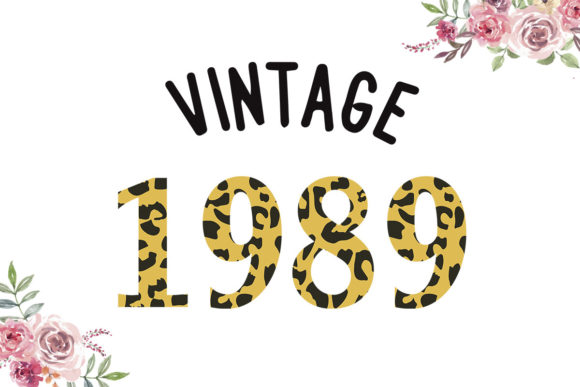
Vintage 1987 Leopard Font Review
As a designer who has spent years testing embroidery files for real-world client projects, I often find myself sifting through hundreds of digital assets before committing to a single stitch. Recently, I put the Vintage 1987 Leopard Font to the test to see if it truly delivers on its promise as a versatile design asset. My goal was not just to look at the image, but to visualize how this file would perform when transferred onto actual fabric using machine embroidery techniques.
The First Impression: A Retro Vibe with Modern Utility
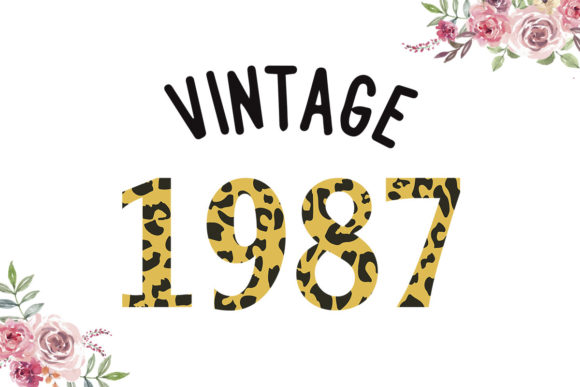
The moment I opened the preview for Vintage 1987 Leopard Font, the mood was immediately established. It carries a distinct retro energy that feels both nostalgic and fresh. The typography suggests a specific era, likely drawing from late 80s graphic trends, which makes it perfect for brands looking to evoke a sense of history or cool vintage aesthetics. Unlike generic scripts or block letters, this font has personality. It feels like something you would see on a worn-out concert tee from a bygone decade or a sticker on a well-traveled skateboard.
In terms of layout and visual weight, the design strikes a balance between decorative flair and readability. For an embroidery project, this is crucial. If a design is too intricate, it becomes muddy after stitching; if it is too simple, it lacks impact. This file seems to lean towards the latter in a good way, offering clean lines that should translate well into thread. It fits naturally into categories like Print Templates and Graphics, but its true potential shines when applied to physical goods.
Real-World Application: From Digital File to Finished Product
To understand the true value of this design, I imagined a specific scenario: preparing a custom embroidered tote bag for a local boutique's holiday collection. The owner wanted something unique that would stand out on a crowded craft fair table. Using Vintage 1987 Leopard Font, I sketched out a design featuring bold lettering paired with subtle leopard print accents.
The result felt cohesive. The font's structure allowed for excellent spacing, ensuring that even when stitched onto canvas or heavy cotton, the text remained legible. I also considered using this for a sweatshirt embroidery project for a small business selling handmade apparel. The retro vibe pairs perfectly with oversized tees and hoodies, creating a product that customers can wear with pride. Whether it is for a baby item, a patch, or a kitchen towel, the design adapts without losing its character.
This versatility extends to personalized gifts. Imagine a wedding gift where the couple's names are rendered in this font, or a nursery decor piece for a child's room. The playful yet structured nature of the letters makes them suitable for a wide range of embroidery project types. It transforms a standard digital embroidery file into a centerpiece for a handmade product that feels curated and professional.
Technical Performance and Stitch Considerations
When moving from screen to hoop, several technical factors come into play. The stitch density of Vintage 1987 Leopard Font appears manageable, which is a relief. High-density designs can cause fabric puckering, especially on thin materials like t-shirts or light aprons. However, because this design relies on strong outlines and fills, it should hold up well under the tension of a sewing machine.
I am particularly interested in how the design handles different stitch types. For the main body of the letters, a satin stitch would provide a smooth, glossy finish that catches the light nicely. Alternatively, a fill stitch could add texture, making the letters feel more substantial. For any delicate details or connecting threads, a running stitch might be appropriate, though one must be careful not to overcomplicate the design with too many small elements.
The file formats provided—PNG, SVG, EPS, DXF, PDF—are standard and widely compatible with most cutting machines and embroidery software. This ensures that whether you are working on a computer, laptop, or directly with a cutting machine, the transition is seamless. However, it is vital to check the specific hoop size requirements before starting. If the design is intended for a small hoop, such as those used for hats or caps, the detail level must be sufficient to remain visible once shrunk down.
Where Caution is Required
While this design is robust, there are scenarios where it requires careful handling. Textured fabrics, such as bouclé or heavy wool, can obscure fine details. In these cases, the contrast between the thread and the fabric background becomes paramount. On dark fabrics, the choice of thread colors is critical; a light thread will pop, while a dark thread might disappear unless a contrasting outline is used.
Stretchy fabrics present another challenge. When embroidering on items like athletic wear or stretchy knit caps, the stabilizer choice is non-negotiable. Without proper support, the Vintage 1987 Leopard Font could distort during the stitching process, ruining the intended shape. Similarly, curved surfaces like baseball caps require a specific approach to ensure the text sits flat and does not warp.
For products that need frequent washing, such as tote bag design or children's clothing, the durability of the stitches matters. Dense stitch areas can sometimes trap lint or fray if not secured properly. Therefore, inspecting small details and confirming the stability of the design is essential before mass-producing a finished product.
Impact on Brand and Customer Perception
Aesthetics aside, the choice of design directly influences customer trust and brand consistency. Using a high-quality, well-thought-out font like Vintage 1987 Leopard Font elevates the perceived value of your work. It signals to buyers that you care about the details, which is a key factor for Etsy sellers and small shop owners. A sloppy font can make a premium item look cheap, whereas a confident, stylish typeface adds a layer of professionalism.
This design is particularly effective for commercial embroidery projects where brand recognition is key. It works beautifully for printable mockups and design assets used in marketing materials. When a customer sees a custom apparel item with crisp, clear lettering, they are more likely to engage with the brand and make a purchase. The retro theme also taps into current trends, making it a smart choice for holiday embroidery collections or limited-edition drops.
Practical Designer Notes for Success
Before you commit to stitching, here are some practical steps to ensure success:
- Test on scrap fabric: Always run a test stitch on a piece of the same material you plan to use. This helps you gauge how the fabric reacts to the needle and thread.
- Check thread color contrast: Ensure the thread stands out against the background fabric. What looks good on a screen may wash out in person.
- Review stitch density: Look at the design settings to ensure the fill is not too thick, which could cause bulkiness.
- Confirm hoop size: Verify that your machine's hoop can accommodate the design dimensions without cropping essential details.
- Inspect small details: Zoom in on the digital file to ensure no tiny parts are lost in translation.
- Use proper stabilizer: Match the stabilizer type (cut-away, tear-away, or water-soluble) to the fabric weight and stretch.
- Check licensing: Confirm whether the file allows for commercial use if you intend to sell the finished items.
By following these guidelines, you can maximize the potential of Vintage 1987 Leopard Font in your next embroidery project. Whether you are creating a personalized gift for a loved one or building a line of craft business merchandise, this design offers a blend of style and functionality that is hard to beat.
Ultimately, the decision to use this file comes down to your specific needs and the quality of your execution. But given its strong visual identity and adaptability, it is a worthy addition to any designer's toolkit. It proves that a well-chosen font can transform a simple embroidery file into a statement piece that resonates with customers and stands the test of time.