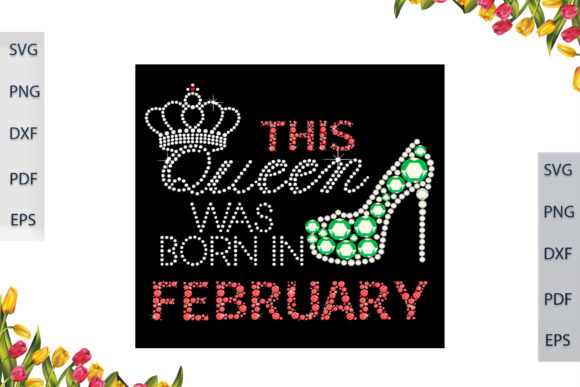
This Queen Was Born in February SVG File Review
When I first opened the files for This Queen Was Born in February SVG File, my immediate thought wasn't about the text itself, but about the attitude it projects. As a designer who spends hours troubleshooting stitch density and thread breaks, I look for more than just a pretty image; I need to know if a design will hold up under the needle and translate well into a tangible product. This piece carries a confident, regal energy that feels perfectly suited for the current market of personalized gifts and boutique branding. It is not merely a graphic; it is a statement ready to be stitched.
The First Impression: Mood and Visual Personality
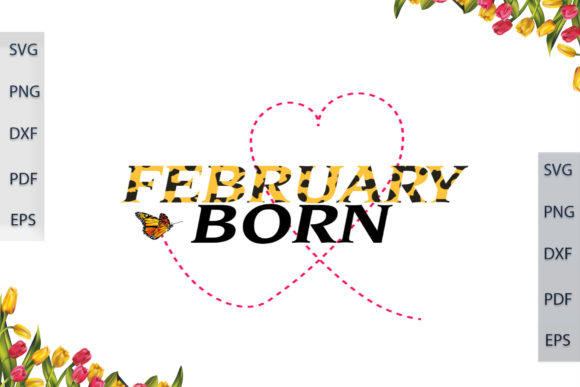
The visual personality of this design is bold and unapologetic. In the world of machine embroidery design, where space is often limited by hoop size, the layout here strikes a balance between decorative flair and readability. The typography suggests a modern aesthetic that fits seamlessly into contemporary apparel and home decor. When I imagine this as an embroidered patch or a central motif on a tote bag design, it commands attention without overwhelming the fabric.
The concept of "born in February" taps into a specific niche of customer psychology. People love celebrating their birth month with a sense of pride, and framing it with a royal title adds a layer of fun and exclusivity. For a small shop product or an Etsy listing, this kind of emotional connection is vital. It transforms a simple custom apparel item into a personal keepsake. The design assets included provide the flexibility needed for various applications, whether you are creating digital embroidery files for clients or crafting handmade products for a craft fair.
Real-World Application: From Screen to Stitch
I recently simulated using This Queen Was Born in February SVG File for a custom embroidered tote bag project intended for a local boutique. The goal was to create a gift set for a client celebrating a birthday. The scenario required a design that could withstand frequent washing while maintaining its crisp appearance. Upon reviewing the vector paths, I noted that the curves in the lettering would require careful attention to satin stitch settings to prevent puckering on the canvas material.
For sweatshirt embroidery, this design shines. The slightly larger scale works beautifully against the textured fabric of fleece or cotton blends. Imagine a cozy hoodie with this phrase stitched in gold or silver metallic thread on the chest. It elevates the perceived value of the finished product significantly. Customers buying such items are looking for quality and uniqueness, and a well-executed embroidery file like this delivers exactly that. It also translates exceptionally well to baby clothes, where parents often seek personalized gifts that feel special yet durable enough for little ones.
However, not every surface is created equal. If you are planning to use this for holiday embroidery on a pillow cover or kitchen towel, the background color becomes critical. On dark fabrics, the contrast must be sharp, requiring high-quality thread choices. Conversely, on light fabrics, the design allows for creative experimentation with fill stitches to add texture without cluttering the visual field.
Navigating Technical Challenges
While the design is robust, there are areas where a designer needs to exercise caution. Small hoop sizes present a particular challenge. If the original artwork contains intricate details or very fine lines, reducing the scale too much can result in lost definition after stitching. I always advise testing the design on scrap fabric first to ensure that the tiny corners and serifs remain distinct. If the design is scaled down for a cap or a small hat, the curvature of the fabric might distort the text, making it harder to read.
Texture is another factor to consider. Embroidery on stretchy fabric requires a stabilizer that provides enough rigidity to prevent the stitches from pulling the fabric out of shape. Without proper stabilization, even the best design can end up looking wavy or misaligned. For commercial embroidery projects where consistency is key, relying on the wrong stabilizer can lead to returns and dissatisfied customers. Additionally, dense stitch areas need to be monitored closely. If the design calls for heavy fill stitches, the fabric may become stiff, which might not be ideal for all garment types.
Impact on Brand and Customer Trust
In the competitive landscape of digital product sellers and craft business owners, the quality of your output directly impacts brand consistency. A clean, professional-looking embroidery project fosters trust. When a customer receives a personalized gift with precise stitching and no loose threads, they are more likely to leave positive reviews and recommend your services. This Queen Was Born in February SVG File, when executed correctly, contributes to a polished final product that reflects well on your craftsmanship.
The versatility of this design also supports diverse marketing strategies. You can use printable mockups to showcase the design on various items before selling them, allowing potential buyers to visualize the outcome. Whether you are targeting holiday shoppers or everyday gift-givers, having a design that adapts well to different mediums—from aprons to blankets—expands your revenue streams. It serves as a reliable design asset that can be integrated into seasonal collections or year-round offerings.
Practical Designer Notes for Success
To get the most out of This Queen Was Born in February SVG File, follow these practical steps before starting your production run:
- Test on Scrap Fabric: Always run a test stitch on a piece of scrap material similar to your final product to check tension and registration.
- Check Thread Colors: Review how different thread colors interact with your chosen fabric. High contrast usually yields the best results for text-based designs.
- Inspect Stitch Density: Ensure the stitch density is appropriate for the fabric weight. Too much density can cause bunching, while too little can look sparse.
- Confirm Hoop Size: Verify that the design fits within your intended hoop size without cutting off essential elements.
- Review Licensing: Before selling finished items or distributing the digital embroidery file, confirm the licensing terms provided by the creator to avoid legal issues.
- Use Proper Stabilizer: Select a stabilizer that matches the fabric type to ensure the design holds its shape during and after stitching.
- Mockup Testing: Create black and white mockups to see how the design looks without the distraction of color, helping you judge the composition.
Ultimately, This Queen Was Born in February SVG File offers a strong foundation for a variety of embroidery projects. It balances style with functionality, making it a valuable addition to any designer's toolkit. By paying attention to the technical nuances of machine embroidery, from thread selection to fabric texture, you can transform this digital graphic into a stunning physical reality. Whether you are an experienced pro or a hobbyist maker, this design provides the opportunity to create something truly special that resonates with your audience.
As you move forward with your next project, remember that the success of the finished product lies in the preparation. Take the time to evaluate the design's limitations and strengths, and you will find that This Queen Was Born in February SVG File is more than just a template; it is a catalyst for creativity and commerce.