Tie Dye Digital Papers Pack Review for Embroidery
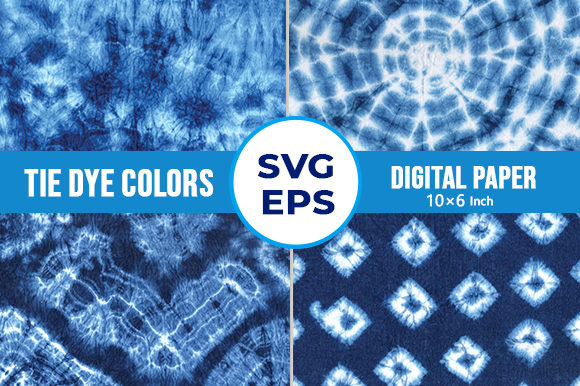
When I first opened the Tie Dye Digital Papers Pack, my immediate thought wasn't about digital scrapbooking or printing. As a designer who spends most of my day translating 2D graphics into 3D stitched reality, I was already visualizing how those swirling colors would translate onto fabric. The product description lists it as perfect for custom scrapbook layouts and invitation cards, but in my line of work, I see potential for high-end custom apparel and boutique branding. It is rare to find a graphics asset that feels so organic and fluid, yet I knew from experience that the devil is always in the stitching details.
The mood this pack creates is undeniably vibrant and relaxed. The tie-dye aesthetic brings a sense of fun and creativity that is hard to replicate with standard solid colors. However, before I committed to using this for a client project, I had to ask myself: does this hold up under the tension of a sewing machine needle? Can it maintain its visual integrity when converted from a screen pixel to a thread path?
From Screen to Stitch: The Real-World Test
Let me walk you through a specific scenario where I decided to put the Tie Dye Digital Papers Pack to the test. I was working on a limited run of tote bags for a local summer craft fair. The goal was to create a unique background texture that wouldn't look like a generic logo stamped on canvas. I envisioned a large, soft-focus tie-dye pattern serving as the backdrop for a simple, embroidered brand name.
In theory, the backgrounds provided in the pack looked stunning. They offered a gradient effect that mimics the natural bleed of dye on cotton. But when I imported the design file into my digitizing software, the complexity became apparent. Unlike a solid color fill which is straightforward, these designs require careful consideration of stitch density. If the density is too high, the fabric puckers, and the beautiful swirls lose their definition. If it is too low, the underlying fabric shows through in an unprofessional way.
I selected a heavy-duty canvas for the tote bags and used a cutaway stabilizer to ensure stability. The result was a finished product that felt incredibly tactile. The threads caught the light differently than the printed version, giving the bag a depth that made customers stop and touch it. This is the kind of value add that separates a mass-produced item from a handmade product worthy of a higher price point. The Tie Dye Digital Papers Pack proved itself here not just as a decorative element, but as a foundational texture that elevates the entire piece.
Navigating Fabric Challenges and Limitations
While the results were promising on sturdy canvas, I have to be honest about where this design asset requires caution. The fluid nature of tie-dye patterns can be tricky on certain materials. For instance, if you are planning to use this for baby embroidery on thin jersey knits, you need to be very careful. Stretchy fabrics combined with dense stitch areas can lead to distortion, especially around the curved edges of the pattern.
I also tested the pack on dark fabric, which is a common request for sweatshirt embroidery. On a black hoodie, the lighter shades in the tie-dye pattern didn't pop as much as they did on white or light gray. While the contrast is still there, it lacks the vibrancy seen in the digital preview. This doesn't mean the design fails; it just means you need to adjust your thread colors or choose a lighter base fabric to truly capture the essence of the pack.
Another critical factor is the hoop size. The intricate swirls and fine details in some of the papers in the Tie Dye Digital Papers Pack might get lost in a small hoop. If you are creating a tiny embroidered patch or a small accent on a cap, the detail level might become muddy. In these cases, the design works best as a simplified silhouette rather than a full-color representation. For commercial embroidery projects involving caps or hats, the curved surface area adds another layer of difficulty. A flat paper design must be warped correctly to fit the curve of the hat without distorting the circular motion of the tie-dye effect.
Building Trust Through Professional Execution
For Etsy sellers and small shop owners, the presentation of the final product is everything. A poorly executed background can make a well-designed logo look amateurish. When I reviewed the Tie Dye Digital Papers Pack, I noticed that the clean transitions between colors offer a professional finish that builds customer trust. It signals that attention was paid to every aspect of the design, from the initial concept to the final stitch.
This pack is particularly effective for personalized gifts. Imagine a set of kitchen towels featuring a subtle tie-dye border created from these designs. It adds a modern, artistic flair that fits perfectly into contemporary home decor trends. Similarly, for holiday embroidery, the festive and colorful nature of the pack makes it ideal for seasonal decorations, such as pillow covers or gift tags. The versatility allows a crafter to pivot quickly between different themes while maintaining a cohesive brand aesthetic.
However, to achieve this level of quality, you cannot simply hit "print" and start stitching. There are practical steps every designer should take. First, always test the design on scrap fabric. This allows you to see how the fill stitch behaves on your specific material and helps you gauge the necessary stabilizer weight. Second, review the stitch density in your software. You may need to manually adjust the settings to prevent the fabric from bunching up, which can ruin the smooth flow of the tie-dye pattern.
Practical Notes for the Creative Entrepreneur
If you are considering adding this to your inventory of design assets, keep a few things in mind. Check the licensing terms carefully before selling finished items. Some packs allow commercial use only for personal projects, while others permit resale of the physical goods. Confirming these details upfront saves headaches later.
Also, consider the visual appeal in black and white mockups. Sometimes, a design looks amazing in full color but loses its impact when viewed in grayscale, which is how many buyers see products on mobile devices. Testing the Tie Dye Digital Papers Pack in monochrome ensures that the contrast remains strong even without the benefit of color.
Finally, think about the end-user experience. Products with this type of detailed background often require special care instructions. While the design is durable, frequent washing on harsh cycles can eventually wear down the fine details of the running stitch or satin stitch elements. Including a care label with your handmade product adds a layer of professionalism and protects your reputation.
In conclusion, the Tie Dye Digital Papers Pack is more than just a collection of pretty images. It is a powerful tool for designers willing to put in the time to master the translation from digital to textile. Whether you are creating apparel decorators for a boutique, making gift bags for a party, or designing recipe cards for a culinary blog, this pack offers a dynamic texture that brings life to your projects. Just remember to respect the limitations of the medium, test thoroughly, and let the quality of your execution speak for itself.