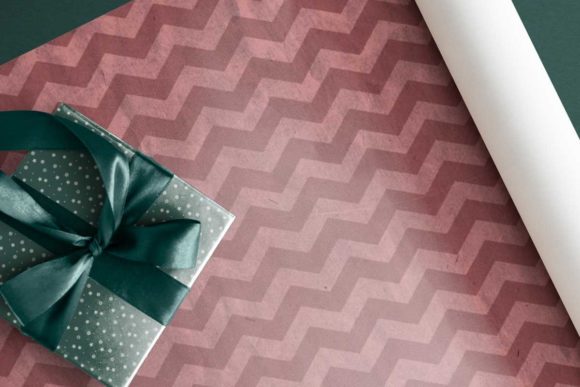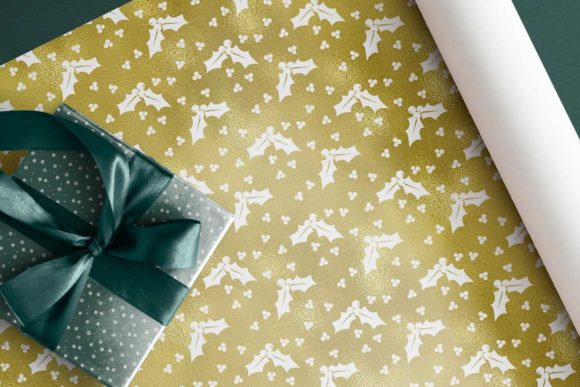
Xmas Pattern Design Wrap Paper Review
When I first opened the Xmas Pattern Design Wrap Paper file, my initial thought wasn't about the holiday spirit but rather the practicality of its layout. As someone who has spent years refining embroidery files for boutique clients and personal craft businesses, I look past the festive imagery to see how the design will actually behave under the needle. This isn't just a static image; it is a digital asset that needs to survive the transition from screen to fabric without losing its soul or structural integrity.
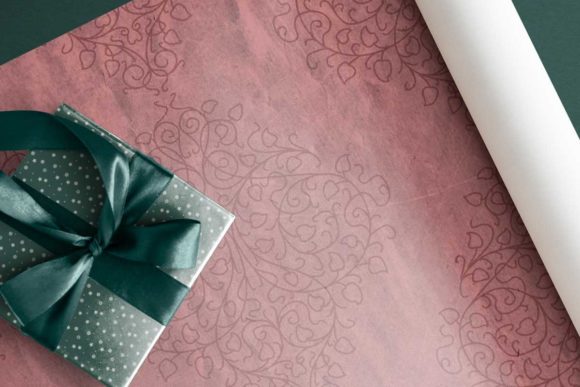
The product category lists this under Backgrounds, which immediately suggests a specific utility. It feels less like a standalone focal point and more like an atmospheric element meant to frame other details or cover a surface area. The description mentions it works as a vinyl sticker or transfer iron, but in the world of machine embroidery, we need to dig deeper into how those vector paths translate into stitches. Does it have the necessary density to stand up against a textured knit? Can it hold its shape on a slouchy tote bag? Let's walk through how I would approach using Xmas Pattern Design Wrap Paper in a real-world scenario.
From Digital File to Finished Product: A Real-World Scenario
Imagine you are prepping for the upcoming holiday season. You are an Etsy seller preparing a batch of custom embroidered tote bags for local gift shops. You want something unique that screams "holiday" without looking like every other generic snowflake design found online. You decide to test Xmas Pattern Design Wrap Paper as the background texture for a personalized name tag on a sturdy canvas tote.
In this scenario, the design acts as a subtle field behind the primary text. The visual personality of the pattern creates a cozy, curated mood that elevates the perceived value of the item. When a customer holds the bag, they don't just see a logo; they see a cohesive design where the background supports the foreground. However, the success of this project hinges entirely on how the stitch density interacts with the heavy canvas fabric. If the fill stitch is too dense, the fabric will pucker, ruining the professional finish. If it is too loose, the pattern might look sparse and cheap.
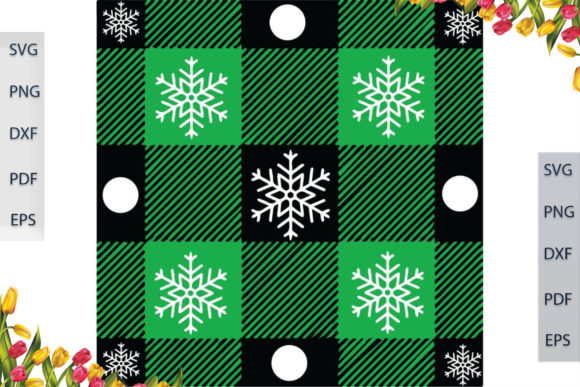
This brings us to the core of my review: usability. The file includes formats like PNG, SVG, EPS, DXF, and PDF, which is excellent for versatility. For a machine embroidery workflow, the vector formats (SVG, EPS) are crucial for resizing without pixelation, while the raster format (PNG) serves well for quick mockups to show clients what the final finished product might look like before you commit to stitching. But remember, the description notes this file is also suitable for vinyl stickers. If you plan to use this for both vinyl cutting and embroidery, you must ensure the path complexity works for both mediums. A design perfect for a heat press might be overkill for a small hoop embroidery machine.
Navigating Fabric Challenges and Hoop Constraints
Not all fabrics play nice with complex patterns. When evaluating Xmas Pattern Design Wrap Paper for commercial use, I always advise testing on scrap material first. Here is where the design gets tricky. If you are attempting to use this on a stretchy sweatshirt or a thin baby onesie, the stability of the pattern becomes a major concern. Embroidery requires tension, and on unstable fabrics, even a simple background can cause the garment to warp.
I would be cautious using this design on dark fabrics without a proper underlay strategy. The contrast between the thread colors and the fabric background is vital for the design to pop. If the pattern relies on fine lines to create the "wrap paper" effect, those lines might disappear if the thread color blends too closely with the shirt. Conversely, on light fabrics, the design shines, offering high visibility and crisp edges.
Another critical factor is the hoop size. Background designs often require larger hoops to maintain their aspect ratio. If you try to shrink this down to fit a 4x4 inch hoop for a cap or a small patch, the details might become indistinguishable blobs. Tiny lettering or intricate corners within the pattern could get lost in the stitching process. For a cap, the curved surface adds another layer of difficulty; a flat background design might distort when pulled tight around the curve of the hat. In these cases, the design might need significant editing or simplification to work effectively.
Making the Right Choice for Your Craft Business
For the small business owner or the creative entrepreneur, the decision to purchase a design asset comes down to ROI and brand consistency. Xmas Pattern Design Wrap Paper offers a strong opportunity to create a recognizable aesthetic for your holiday collection. Whether you are making aprons, pillow covers, or kitchen towels, having a consistent background theme ties your products together visually.
However, you must consider the end-user experience. Products that require frequent washing, like tea towels or everyday tote bags, need durable embroidery. Dense stitch areas in the background can trap lint or wear down faster than simpler outlines. If the design is intended for a gift item that will be washed often, check the thread colors for fade resistance and ensure the stitch count isn't so high that it compromises the fabric's longevity.
When creating printable mockups for your Etsy listings, this design allows you to visualize the product in a way that feels authentic. You can place the pattern on a digital representation of a sweatshirt or a bag to see how it affects the overall composition. This helps in setting customer expectations and reducing returns due to mismatched aesthetics.
Essential Designer Notes Before You Stitch
Before you rush to load this into your machine, there are a few technical checks that separate a pro from a hobbyist. First, confirm the licensing terms. Just because the file is available for download doesn't mean you have the right to sell the finished items commercially. Always read the fine print regarding commercial embroidery rights.
Next, inspect the small details. Zoom in on the SVG file. Are there any stray points or overlapping paths that could confuse your digitizing software? These anomalies can lead to thread breaks or messy stitches. Also, review the stitch density. If the design is too heavy for the fabric type you intend to use, you may need to adjust the settings in your embroidery software or switch to a lighter stabilizer.
If you are working with applique design techniques, this background might offer a great base layer, but you must ensure the cut-out shapes align perfectly with the satin stitch borders. For a running stitch effect, verify that the spacing is wide enough to prevent the threads from tangling on delicate fabrics.
Finally, test the design in black and white mockups. Sometimes, color distracts us from fundamental issues with contrast and balance. If the design looks weak in grayscale, it likely won't shine in full color either. By taking the time to evaluate Xmas Pattern Design Wrap Paper through these practical lenses, you ensure that your final embroidery project meets the high standards your customers expect.
Whether you are crafting a personalized gift for a neighbor or producing a line of boutique holiday merchandise, the right design choice makes all the difference. This file provides a versatile foundation, but its success lies in your ability to adapt it to the specific demands of your materials and machines. Treat it as a tool, not just a decoration, and you will find it adds genuine value to your creative output.